Dependable Landscaping Contractors Providing Year-Round Property Care

Maintaining a beautiful, healthy, and functional outdoor environment is an ongoing commitment that requires consistent attention throughout the year. Because landscapes are constantly exposed to the elements, they demand continuous care to ensure they remain vibrant, safe, and visually appealing in every season.

Reliable Landscape Contractors Honolulu HI play a vital role in supporting homeowners and property managers by delivering year-round services designed to keep lawns, gardens, hardscapes, and outdoor amenities in excellent condition. Through professional maintenance, expert planning, and proactive solutions, they help create outdoor spaces that remain attractive and functional regardless of the weather or time of year.
landscaping

Landscape maintenance is much more than simply mowing a lawn or trimming a few branches. It encompasses a wide range of tasks that contribute to the long-term health and beauty of a property. Reliable contractors provide structured maintenance programs that address seasonal needs, prevent costly repairs, and support the natural growth cycles of plants and trees. By combining experience, proper tools, and a deep understanding of landscape care, these professionals take on the responsibility of keeping outdoor areas looking their best all year long.

One of the primary advantages of working with dependable landscaping contractors is the consistency of care. Landscapes thrive when they receive routine maintenance, and reliable professionals understand exactly when and how to treat each part of the property. Whether it involves mowing, fertilizing, pruning, cleaning, watering, or preparing seasonal landscapes, experienced contractors know how to adjust their services throughout the year to match changing environmental conditions. This ongoing care not only improves the appearance of the property but also prevents deterioration and reduces the risk of overgrowth, pests, and disease.

Seasonal cleanup services are an important aspect of year-round property care. During certain times of the year, landscapes accumulate fallen leaves, branches, weeds, and other debris that can hinder growth and create an unkempt appearance. Reliable landscaping contractors provide thorough seasonal cleanup services that remove such buildup, refresh plant beds, and prepare the landscape for healthier growth. Proper cleanup helps prevent mold, pests, and soil compaction, ensuring that gardens and lawns remain strong and vibrant throughout the changing seasons.

Lawn care is another essential component of year-round property maintenance. A well-maintained lawn enhances the entire appearance of a property and contributes to a more enjoyable outdoor environment. Reliable landscaping contractors take responsibility for mowing, edging, aeration, seeding, and fertilization to keep grass healthy and lush. They understand that proper lawn care requires consistent attention and the right timing, especially when dealing with seasonal temperature shifts, rainfall patterns, and soil conditions. By providing professional lawn care services, contractors help homeowners maintain greener, more resilient lawns that remain attractive throughout the year.

Pruning and trimming services also play a crucial role in maintaining the health and structure of trees, shrubs, and plants. Overgrowth can lead to a wide range of issues, including blocked pathways, reduced airflow, and increased susceptibility to disease. Reliable landscaping contractors are trained to identify which plants need trimming, how much should be removed, and the best times of the year for pruning. Regular trimming enhances plant health, encourages new growth, and keeps the landscape neat and well-defined.

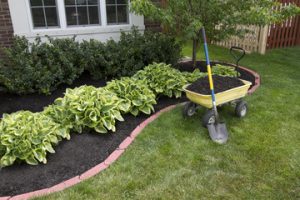
Gardens and plant beds benefit greatly from ongoing maintenance, which often includes mulching, weeding, soil conditioning, and plant health monitoring. Mulch helps regulate soil temperature, retain moisture, and reduce weed growth, making it a powerful tool in year-round landscaping care. Reliable landscapers ensure that mulch is applied properly and replaced when needed, helping plants thrive in both hot and cold seasons. Weed control is another essential task, as unmanaged weeds can quickly overtake a garden, suffocate plants, and disrupt the overall design of the landscape. Professional contractors keep weeds under control through routine monitoring and safe removal methods.

Landscaping contractors who provide year-round services also help manage irrigation systems to ensure that lawns and plants receive consistent and appropriate levels of water. Proper irrigation is essential to preventing overwatering, underwatering, and uneven hydration, all of which can stress plants and reduce their ability to grow. Contractors are experienced in inspecting systems, adjusting sprinkler heads, monitoring water pressure, and programming schedules based on seasonal needs. This proactive management supports healthier landscapes while conserving water and reducing utility costs.

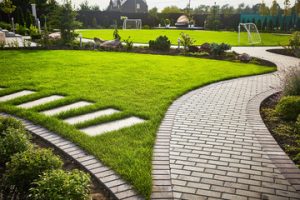
Hardscape is another major part of property care, as features such as walkways, patios, retaining walls, and driveways require maintenance to preserve their appearance and function. Reliable landscaping contractors inspect hardscape regularly to identify cracks, loose materials, drainage issues, and other potential problems. Addressing these concerns early helps prevent major repairs and extends the life of the hardscape. Routine cleaning, power washing, and debris removal keep surfaces safe and visually appealing, ensuring that they remain functional for everyday use.

In addition to maintenance, year-round landscape care often includes improvements and enhancements that keep the property evolving along with the homeowner’s needs. Whether adding new plant beds, installing lighting, refreshing mulch, or updating outdoor features, reliable landscaping contractors are equipped to help homeowners implement changes that improve the overall layout and usability of their space. These enhancements not only elevate the look of the property but also support long-term value and functionality.

Lighting is another important aspect of landscape maintenance that often gets overlooked. Proper outdoor lighting improves safety, extends the use of outdoor spaces into the evening, and highlights architectural and landscape features. Reliable landscaping contractors can maintain existing lighting systems by replacing bulbs, adjusting fixtures, and ensuring that wiring is functioning properly. They may also recommend upgrades to energy-efficient lighting solutions that offer longer life spans and lower energy consumption.

Pest and disease management are significant concerns for many property owners, especially during specific times of the year when insect populations or plant diseases tend to rise. Reliable landscaping contractors are skilled at identifying early signs of infestations or infections and implementing solutions quickly. By taking preventive measures, such as applying safe treatments, removing diseased areas, or improving soil health, contractors help protect the landscape from long-term damage. Their proactive approach ensures healthier plants and fewer costly problems down the line.

Soil health is another cornerstone of successful year-round property care. Landscapers understand the importance of proper soil structure, nutrients, and moisture levels. By testing soil, amending it when necessary, and implementing sustainable practices, reliable contractors create an environment where plants and lawns can thrive. Healthy soil leads to stronger roots, better water absorption, and improved resistance to drought and disease.

One of the biggest benefits of hiring reliable landscaping contractors is the freedom they give property owners. Maintaining a landscape can be time-consuming, especially for those with busy schedules or large outdoor areas. By entrusting property care to experienced professionals, homeowners can enjoy a well-maintained landscape without the need for constant personal involvement. Contractors handle the planning, scheduling, and execution of all necessary tasks, ensuring that the property receives consistent care throughout the year.

In addition to time savings, professional landscaping care contributes to higher property value. A landscape that is routinely maintained and visually appealing helps create a stronger first impression for visitors, potential buyers, or tenants. Homeowners who invest in year-round maintenance often enjoy better curb appeal, healthier plant life, and fewer repair-related expenses. Beautiful, well-kept outdoor spaces also enhance the overall living experience, providing a comfortable environment to relax, entertain, and enjoy nature.

Sustainability is another major benefit of year-round professional care. Reliable landscaping contractors often incorporate eco-friendly practices that reduce waste, conserve water, support local ecosystems, and promote long-term environmental health. By selecting appropriate plants, improving soil conditions, and implementing efficient irrigation systems, contractors help create landscapes that remain healthy with minimal environmental impact.

Ultimately, year-round property care is an investment in the long-term health, beauty, and functionality of outdoor spaces. By partnering with reliable landscaping contractors, homeowners gain access to consistent maintenance, expert guidance, and proactive solutions that keep the landscape thriving throughout every season. Whether the goal is to maintain a pristine lawn, nurture vibrant garden beds, care for trees and shrubs, or preserve hardscape features, professional landscaping ensures that each part of the property receives the attention it deserves.

With the support of experienced contractors, homeowners can enjoy outdoor environments that enrich their lifestyle and enhance their property’s value. Reliable landscaping contractors provide the peace of mind that comes with knowing the property is cared for year-round, offering a comprehensive approach that combines maintenance, improvements, and expert oversight. Through their dedication and expertise, they make it possible for outdoor spaces to remain beautiful, healthy, and functional in every season.
Tree Removal: Balancing Safety, Growth, and Environment

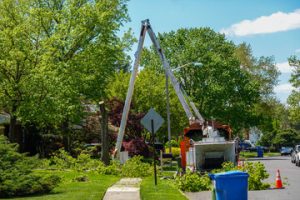
Worcester Tree Removal is sometimes necessary to maintain safety and property health. Large or damaged trees can pose serious risks to structures and people. Professional removal ensures controlled and safe handling. This process protects both the environment and human spaces.

Tree Removal

Urban development often requires tree removal to make way for construction. Planners must balance progress with ecological preservation. Removing trees without care can lead to soil erosion and habitat loss. Strategic planning mitigates negative environmental impacts.

Diseased trees present significant hazards to surrounding vegetation. Fungal infections and pest infestations can spread quickly. Removing affected trees prevents wider contamination. Early intervention protects the health of other plants.

Storm damage frequently necessitates tree removal. High winds, lightning, and heavy snow can compromise structural integrity. Damaged trees may become unstable or fall unexpectedly. Professionals assess the risk and remove threats efficiently.

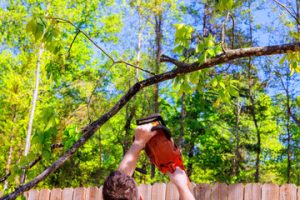
Tree removal requires specialized equipment and techniques. Chainsaws, cranes, and rigging systems enable safe dismantling. Workers must understand tree anatomy and cutting patterns. Proper execution prevents accidents and property damage.

Sometimes trees are removed to enhance sunlight or airflow. Overgrown trees can block light from gardens or homes. Thinning the canopy improves growth for other plants. This also promotes healthier landscapes and ecosystems.

Roots can pose challenges that lead to removal decisions. Tree roots may invade foundations, sidewalks, or underground utilities. Persistent root systems can damage infrastructure over time. Removing the tree resolves these conflicts safely.

Environmental regulations often influence tree removal. Certain species may require permits or replacement planting. Authorities aim to balance human activity with ecosystem preservation. Compliance ensures sustainable land management practices.

Tree removal can create opportunities for landscaping improvements. Clearing old trees allows for gardens, lawns, or recreational spaces. New plantings can enhance aesthetics and biodiversity. Thoughtful planning maximizes the benefits of removal.

Hazard assessments are a critical part of the process. Professionals evaluate leaning, cracked, or hollow trees for risk. Safety plans guide removal techniques to minimize accidents. This proactive approach protects both people and property.

Seasonal considerations affect tree removal timing. Frozen ground or wet conditions can complicate removal efforts. Certain seasons also reduce stress on remaining vegetation. Choosing the right time ensures efficiency and safety.

Stump removal often follows tree cutting. Leftover stumps can harbor pests and obstruct landscaping. Grinding or extraction eliminates these issues effectively. Stump management completes the tree removal process.

Tree removal also intersects with fire prevention. Dead or dry trees increase wildfire risks. Clearing these trees reduces combustible material around properties. This precaution protects both homes and natural areas.

Professional arborists consider tree species during removal. Different wood types respond differently to cutting methods. Understanding species characteristics ensures clean and safe removal. This knowledge prevents splintering and equipment damage.

Tree removal is sometimes part of disease control programs. Invasive species or pathogens can devastate local flora. Removing infected trees limits spread to healthy areas. Combined with monitoring, it supports ecosystem resilience.

Insurance and liability considerations are part of the decision. Falling trees or debris can cause costly damages. Professionals reduce risks by following safety protocols. Proper documentation protects property owners legally.

Tree removal can support utility maintenance. Overgrown trees may interfere with power lines or water systems. Clearing these trees prevents service interruptions. Coordination with utility providers is often necessary.

Urban trees often face multiple stress factors before removal. Pollution, restricted root space, and vandalism weaken trees over time. Compromised trees may pose safety hazards. Careful evaluation determines the right intervention.

Tree removal contributes to space optimization in parks and recreation areas. Overcrowded trees may limit accessibility or visibility. Selective removal enhances usability while maintaining natural beauty. Thoughtful planning preserves ecological balance.

Soil and erosion management are considered during removal. Exposed earth can degrade without proper stabilization. Professionals may implement erosion control methods after cutting. This protects the landscape and prevents water runoff issues.

Recycling removed trees supports sustainability. Wood can be repurposed for furniture, mulch, or firewood. Responsible disposal reduces environmental impact. Reuse contributes to a circular resource economy.

Tree removal also affects wildlife habitats. Birds, insects, and small mammals rely on trees for shelter. Professionals often consider relocation or replacement strategies. Balancing human needs and animal welfare is a growing focus.

Cost estimation for tree removal depends on size, location, and complexity. Accurate assessment prevents unexpected expenses. Professional services provide clarity on labor, equipment, and disposal. Transparent pricing supports informed decisions.

Community safety and aesthetics both benefit from tree removal. Dead or unstable trees can detract from public spaces. Removing them improves safety and visual appeal. Local authorities and residents often collaborate on priorities.

Tree removal strategies include full removal, partial trimming, or directional felling. Each method has specific purposes and risks. Professionals determine the best approach based on circumstances. Proper planning ensures efficiency and safety.

Education about tree health reduces unnecessary removal. Homeowners and developers can monitor growth patterns and signs of stress. Preventive care extends the life of trees and reduces hazards. Awareness supports long-term landscape management.

Urban planning increasingly incorporates tree retention and removal balance. Strategies prioritize safety, aesthetics, and environmental preservation. Selective removal prevents overcrowding and maintains biodiversity. Coordinated efforts create sustainable urban forests.

Tree removal also plays a role in infrastructure resilience. Weak trees near roads or buildings can threaten transportation safety. Removing vulnerable trees reduces risk during storms. This planning safeguards both public and private spaces.

Technology supports safer tree removal practices. Drones and imaging help assess height, lean, and proximity to structures. GPS and mapping tools assist in precise planning. Advanced methods minimize risks and optimize workflow.

Tree removal is often linked to property value enhancement. Well-maintained landscapes attract potential buyers. Removing hazardous or unattractive trees improves appearance. This investment contributes to both safety and market appeal.

Soil restoration often follows tree removal. Nutrient replenishment and planting new vegetation restore balance. These measures prevent erosion and support healthy regrowth. Proper aftercare ensures long-term landscape health.

Tree removal requires coordination with multiple stakeholders. Homeowners, local authorities, and environmental experts may all be involved. Effective communication ensures safety, legality, and environmental care. Collaboration leads to responsible removal outcomes.

Training and certification improve safety and expertise. Arborists and tree removal specialists undergo rigorous preparation. They learn cutting techniques, risk assessment, and equipment use. Skilled professionals reduce hazards and deliver efficient results.

Tree removal also affects microclimates. Trees provide shade, reduce wind, and support humidity levels. Removing them may alter temperature and moisture in localized areas. Professionals consider these factors when planning removal.

Emergency tree removal addresses immediate hazards. Fallen or dangerously leaning trees require urgent intervention. Quick, expert action prevents injuries and property damage. Emergency services are a vital component of tree management.

Long-term planning incorporates removal cycles for aging trees. Rotational strategies maintain canopy coverage while ensuring safety. Removing older or weakened trees supports ecosystem stability. This approach blends risk management with environmental stewardship.

Tree removal often supports landscape redesign and urban renewal. Modern design may require strategic space and light access. Clearing select trees enhances visual lines and usability. Integrating removal into overall planning maximizes benefits.

Cultural and historical considerations sometimes influence removal decisions. Certain trees may hold symbolic or heritage value. Professionals work with stakeholders to respect traditions while managing risks. Preservation and safety are carefully balanced.

In conclusion, tree removal is a careful blend of safety, environmental care, and property management. Professionals use knowledge, equipment, and planning to execute removals effectively. From hazard prevention to ecosystem balance, tree removal shapes landscapes responsibly. Thoughtful execution ensures the benefits of removal while preserving the integrity of natural spaces.

Custom Steel Gates Boost Curb Appeal and Increase Home Value

Custom Steel Gates can dramatically enhance a property, making a bold first impression. They are also an excellent security option for a home, increasing its value and resale potential.

Steel Gates

To start, homeowners should consult with a fabricator to discuss their gate design vision. This can include bringing pictures, sketches or simply discussing ideas with the professional. They will help refine the gate’s design to align with security needs and budget requirements.

Once upon a time, almost every home had a gate separating their property from the street. Nowadays, gates are less common as most homeowners opt for more minimalist looks, but they still add a touch of style to any home. For those who want to spruce up their property and increase curb appeal, a custom metal gate is an excellent option.

The artisanry that goes into custom aluminum and steel gates elevates them from mere barriers to works of art. From forging intricate patterns to meticulously welding them together, these functional pieces transcend their utilitarian roles and become true expressions of architectural beauty.

In addition to their aesthetic appeal, metal gates also offer superior security. As a tough material that’s highly resistant to corrosion, steel presents a formidable barrier that can’t be easily broken down or breached. In fact, a steel gate is a much better choice than wrought iron, which can be more brittle and vulnerable to damage from harsh weather.

When compared to wood, metal gates are also much easier to maintain. They don’t rot or require constant repainting like traditional wooden gates, which saves property owners time and money in the long run. Furthermore, since they’re made from high-end materials and finished with protective coatings, metal gates last for decades. They’re also a great way to up your home’s value and increase its resale appeal should you ever decide to sell it.

The best thing about custom gates is that they can be crafted to fit any architectural style. Whether you prefer sleek minimalism, traditional ornamentation, or even a branded design that incorporates your initials or company logo, the possibilities are endless. Incorporating these details into your gate allows you to turn it into a visual representation of your brand or personality and adds a sense of uniqueness to your property.

With so many different options available, the best thing to do is consult with a professional that can help you determine which gate design and materials will work well for your property. Then, establish your budget and gather quotes from reputable manufacturers and installers to find a solution that fits within your financial plan without sacrificing quality.

Security

Unlike prefabricated gates, custom wrought iron and steel gates are designed to meet your property’s specific specifications. As such, they offer the ideal blend of security and style for your home or business. They can be crafted to incorporate personal elements like initials or logos for a distinctive flair, while also enhancing your curb appeal. If you want to take your gate’s aesthetics and convenience to the next level, consider adding an automation system. This allows you to open and close the gate with the touch of a button.

Wrought iron is a popular material for fencing and gates because it’s easier to create highly detailed ornamentation. Expert metalworkers can anvil hammer and sculpt the material into intricate patterns that accentuate your architectural design. This blog explores how gates crafted from these materials become the perfect artful marriage of beauty and functionality, elevating them beyond barriers and into focal points of architectural expression.

Another reason to choose a metal gate is its superior strength and durability. Compared to wood or aluminum, steel offers increased resistance to corrosion and wear. It can withstand the weight of vehicles and other large objects. Moreover, it’s available in various finishes that complement both contemporary and traditional architecture. It’s a common choice for commercial and residential properties, providing a secure barrier without compromising on aesthetics or functionality.

Choosing the right gate for your home or business requires careful consideration. You need to consider its purpose, such as whether it’s intended to enhance security or reflect a specific theme. You should also determine the desired size, as well as how much clearance you need to accommodate a vehicle. Lastly, it’s important to test the gate to ensure it functions properly. Make sure the hinges, track, and access control are working correctly before putting it to regular use.

Durability

Whether opening and closing for livestock movement or standing guard at the entrance to your business, your gate needs to be able to handle frequent use. The proper fabrication process ensures that your gate is strong and durable enough to withstand harsh weather conditions and constant contact. The right materials also help it resist rust and corrosion, which can compromise its structural integrity.

Metal gates are a great option for commercial properties, as they provide superior security and can be customized to fit a variety of architectural styles. Wrought iron gates, in particular, are known for their ornate designs and classic elegance that can complement the look of any building. However, they require regular maintenance and rust prevention treatments to preserve their appearance and strength.

To protect against these problems, consider a steel gate that is galvanized or coated with a protective coating. This will significantly reduce the risk of corrosion, making it a more economical choice for commercial applications. Alternatively, you can choose an aluminum gate that is both lightweight and highly resistant to corrosion, making it a great option for coastal areas.

The material you choose should also reflect the desired aesthetic for your gate. Wrought iron is a popular choice for traditional and historic buildings, as it has a timeless appearance. It is also highly durable and can be adapted to incorporate additional security features, such as security spikes or access control systems.

Other options include mild steel, which is a stronger and cheaper alternative to iron. However, it is still susceptible to rust and corrosion and requires regular painting or protective coatings to prevent this. If you prefer a more modern look, consider stainless steel, which is both durable and resistant to corrosion. Another option is corten steel, which has a unique rusted appearance that develops over time and can be used to achieve a vintage or industrial look. In addition to these design elements, your gate should have a secure, sturdy foundation to support it. Before installing your gate, accurately mark the locations for the posts based on the gate’s width and design. Then, dig holes deep enough to support the posts, level them, and pour concrete to create a stable base. After installation, test your gate multiple times to ensure smooth operation and correct settings for the automation system.

Customization

Whether it’s a grand entry gate for your estate or a small gate to your home, a custom steel gate adds beauty and security to your property. It is an investment that can boost your curb appeal and increase the value of your home. Studies show that projects that improve curb appeal have a positive return on investment.

Choosing the right materials for your gate is critical to its success. There are many options to suit your property, from wrought iron gates with intricate patterns and details to contemporary stainless steel gates. Wrought iron is ideal for homes with traditional and rustic themes, as it offers classic beauty and durability. It is also easier to craft incredibly detailed metalwork with wrought iron than other metals.

When you choose a metal fabricator to build your gate, select one with a strong reputation and a portfolio that shows their quality work. Look for signs of craftsmanship, like precise welds and well-rounded corners. You should also request a quote that clearly outlines the price of materials and any additional features you may want to include. This helps prevent surprises later in the project.

Once you’ve determined the type of gate you want, it’s important to plan out your installation. Make sure to mark the locations of the posts based on the gate’s width and design, as well as prepare the area for construction by digging holes large enough to support the post (usually one-third of the post’s length). Then, install the posts in concrete and allow the concrete to cure before installing your gate.

If you’re adding automation to your gate, make sure to test the system before putting it into regular use. This ensures that everything works properly and provides you with the level of security and convenience you desire.

While a custom steel gate requires more maintenance than a standard wood gate, the long-term benefits make it a wise investment for any homeowner. It will keep your property secure and increase its value while boosting curb appeal and creating a more inviting welcome to your home.

Hardscape – Elevating the Beauty of Your Yard

Hardscape includes non-living elements in landscape design, like paved areas, patios, walkways, and retaining walls. It contrasts with softscape, which includes horticultural plants and trees.

Hardscape

A well-designed hardscape complements but doesn’t compete with your garden’s softscape. It also serves many practical purposes. Some of the most important are: maximizing functionality, enhancing ambiance and increasing property value.

When designed and implemented effectively, hardscapes elevate the aesthetic of your yard by adding structure and beauty to a space that is often overlooked. From walkways to retaining walls, patios to fire pits, hardscape can transform a dull outdoor area into a stunning and functional space for entertaining and relaxing.

The aesthetics of a Hardscape are determined by the materials used and how they are incorporated into the landscape. The color, texture and shape of the landscape components should complement the architecture of your home, as well as the surrounding environment. From the earthy beauty of natural stone to the sleek sophistication of concrete pavers, there are endless options when it comes to hardscaping materials.

A balance of hardscape and softscape elements is important in a garden, as it creates a warm and inviting space. Hardscape features like patios, walkways, and retaining walls can be complemented by decorative plants and shrubs that blend seamlessly into the design. The goal is to create a balance that feels like a natural extension of the home.

While many people use the term “hardscape” to refer to non-living landscaping elements, such as gravel, rock, mulch and wood, the term actually encompasses a much larger scope of work. Hardscape includes any built structures that are used to enhance the landscape, such as pathways, ponds, patios, fire pits and outdoor kitchens. It also includes paving materials like bricks, flagstones, concrete and pebbles. The term softscape, on the other hand, refers to the horticultural elements of a landscape, such as grass, trees and flowers.

While the benefits of hardscaping are numerous, there are a few things to consider when creating your own design. First and foremost, it is important to consider the architectural style of your house. Using materials that are consistent with the aesthetics of your home will ensure a seamless transition between your hardscape and softscape. Additionally, it is crucial to think about how your hardscape will integrate with the existing terrain and drainage of the yard. This can help to prevent flooding, erosion and other problems related to improper water flow.

Functionality

Hardscape refers to any non-living elements used in landscape design, which contrasts with “softscape.” Softscapes are the living horticultural components of your garden, including plants, grass and trees. Hardscape materials like brick, stone, concrete pavers and wood are used to build structures that improve the functionality of your yard. Those include patios, walkways, fire pits, retaining walls and outdoor kitchens.

Unlike plants, which lose their leaves seasonally, hardscape elements stand the test of time and weather. The contrast between the solidity of these features and the transience of softscape creates a sense of permanence that enhances your garden’s aesthetics. In addition, these elements are easy to maintain. For example, a durable stone wall requires no regular watering or mowing. In addition, paved areas are less likely to need weed control.

A well-designed hardscape can improve the functionality of your yard by creating designated spaces for different activities. For example, a patio is a great place to host a dinner party or relax after work. Walkways connect different parts of your garden and provide easy access to every corner of your property. Retaining walls are essential for managing soil erosion, particularly in sloped landscapes.

Another function that hardscape can serve is to provide shelter. A gazebo or overhang can protect people from light rain and shield them from hot sun. Likewise, a fence or screen can provide privacy by blocking views of neighbors and the road.

Incorporating hardscape into your garden has numerous benefits, ranging from boosting property value to reducing maintenance costs and energy efficiency. A landscaping contractor, such as Cutters Landscaping, can help you incorporate hardscape into your landscape design and implement it properly. This will ensure that your landscape is beautiful, functional and sustainable for years to come.

Durability

Hardscape is non-living landscaping materials that are incorporated into a landscape design. This includes paved areas like walkways, patios and driveways, as well as stone and concrete structures like retaining walls and sleeper walls. Hardscapes add architectural dimension and structure to a garden area, elevating it from a patch of grass to a thoughtfully designed living space. They are also a practical component of landscape design, increasing functionality and reducing maintenance.

Durability is a critical consideration when it comes to hardscapes, especially in New England’s harsh climate. Freeze-thaw cycles, road salt and heavy snow loads can destroy inferior materials within a few seasons. Quality hardscaping materials like pavers, paving stones, bricks and granite are built to endure, offering significant cost savings over time.

Proper site preparation is also a major factor in determining the durability of a hardscape project. Inadequate base preparation can contribute to shifting and cracking, which will reduce the lifespan of a hardscape and lead to costly repairs and replacements. Professional installers have specialized equipment and established systems to ensure proper base preparation, saving you money in the long run.

When it comes to durable hardscapes, the quality of the material used is the biggest deciding factor. Quality materials are more expensive upfront, but they will outlast cheaper alternatives by years or even decades. Look for pavers and retaining wall blocks with lifetime warranties, which reflect the confidence of the manufacturer.

Consider using recycled pavers and other materials that contribute to environmental sustainability. Many hardscape options can be sourced locally, reducing transportation impacts and supporting local business. Consider using gravel and other natural materials for pathways, as opposed to paved surfaces, to reduce the demand on your water supply.

Using durable materials and professional installation, hardscapes can transform an outdoor living space into an elegant retreat that is a true extension of your home. The key is to think about the entire garden area as a cohesive whole, designing for durability and usability in every season. Well-planned, sustainable hardscapes will enhance the beauty of your garden while providing critical functionality and increasing the overall value of your property.

Maintenance

Hardscape cleaning and maintenance are the key to maximizing your property’s beauty and functionality. While landscape maintenance nurtures the live elements in your landscape, like trees, plants, soil and grass, hardscape maintenance is focused on preserving the appearance and structural integrity of inanimate, non-living landscape materials, such as natural stone patios, pavers, walkways, water features and retaining walls.

Hardscapes are highly functional landscape components. They add curb appeal and enhance the value of your home or business, and improve accessibility for people with mobility challenges. In addition, they can create a harmonious balance of beauty and practicality in your outdoor space by accenting the natural design of your landscape with unique visual designs, textures and colors.

Regular cleaning and hardscape maintenance prevents minor problems from escalating into major concerns. It also prolongs the life of the materials used to construct your landscape features.

The hardscape maintenance process varies by season and the condition of your landscape elements. Spring and summer are the prime times to focus on weed control and general cleaning upkeep of your outdoor spaces. During these seasons, your hardscape is most heavily used, and the risk of messes and spills is greatest. Keeping up with weeds, debris removal, sweeping and brushing ensures that your hardscape remains aesthetically pleasing while mitigating the risk of costly repairs or replacement.

During the winter, your hardscape is susceptible to freezing and thawing which can cause cracking or damage to paved surfaces. Our team will inspect your hardscape for any issues, and address them promptly to prevent future damage or premature wear.

The drainage system of your hardscape is also important to maintain its longevity. Without nearby bare soil or natural drainage channels, rainwater may become trapped and cause damage to the surface of your patio, walkways or retaining walls. If there is a problem, our team will clean the area thoroughly and replace the dirt that has nestled into the joints between pavers. We will also ensure that no clogs or other drainage issues occur, which could lead to flooding and mud flows. If tree roots are the culprit, our professionals will prune back the root to avoid pushing up and damaging the concrete.

Tree Landscaping Services for Beautiful and Well-Designed Spaces

Tree service companies provide a wide range of services, including planting and landscape design. They can help you create a beautiful, functional outdoor space that increases your property value.

The right trees can unify, separate, enclose, or highlight certain areas of your yard. They also add value to your home and improve privacy.

tree landscaping

Enhance Your Property’s Curb Appeal

Trees add a sense of beauty and maturity to your property, and they can also help reduce energy costs by providing shade during the summer. In addition, trees provide habitats for wildlife that are important to the preservation of biodiversity.

Well-maintained landscaping with trees can boost your home’s curb appeal and increase its value. Tree trimming and pruning services can keep your property’s trees healthy and vibrant, and they can be coordinated with other landscape elements like flowers, shrubs, walkways, and driveways for a polished look.

Selecting the right trees for your property is important, as some species have a slower growth rate than others and may require less maintenance. Professionals can recommend the best trees for your property based on your desired aesthetic, your climate, and the lifespan of each species.

Enhance the Value of Your Home

Many studies have shown that well-maintained landscaping increases the value of a property. Trees and shrubs are a vital part of any landscape, and an arborist will help you choose the right species and advise you on their care. Hiring a professional is a smart investment that will pay off in the long run.

Mature trees add a distinct beauty that makes your property stand out. They also increase your home’s energy efficiency by providing shade in summer and acting as a windbreak in winter. They are a great selling point for your home and can enhance its appraised value by up to 15%.

Professional tree service providers shape and prune your trees to improve their appearance and complement your landscape design. They also remove dead or damaged branches, preventing them from falling on your home or posing a threat to the safety of residents and visitors. They are also familiar with local climate conditions and know which plants will thrive in your area. They may also suggest unique ideas to create a visually appealing landscape.

Improve Air Quality

Trees help to improve air quality by absorbing and trapping fine particulate matter (PM), which is the main cause of respiratory diseases. Trees also absorb carbon and contribute to the reduction of greenhouse gases that contribute to global warming.

Erosion Control: The roots of trees provide a natural method of erosion control, holding soil together and reducing erosion. They also slow down rainwater, preventing flooding and minimizing runoff.

Temperature Regulation: Strategically placed trees create shade in the summer, reducing the need for air conditioning and creating a cooler outdoor space. They also serve as windbreaks during the winter, minimizing heat loss and contributing to energy savings.

When selecting a landscape tree, consider its lifespan, growth rate, and maintenance requirements. Look for native or climate-adapted species that are well-suited to the site conditions and will thrive with minimal care and water. Additionally, consider the soil conditions, light exposure, and overall landscape design when choosing a tree. Ensure that the chosen species will be compatible with other landscape elements, such as flowers and shrubs. This helps avoid future conflicts and creates a more balanced ecosystem.

Create a Sense of Privacy

The right landscape features can create a sense of privacy that feels natural. Rather than fencing or walls, privacy landscaping uses trees and plants to create boundaries that are more aesthetically pleasing. This also has a more positive impact on the environment and people using the outdoor space.

Strategically placing fast-growing evergreens and tall grasses can form a natural barrier that blocks unwanted views without being obtrusive. This can be particularly useful for properties near busy roads or in highly populated areas where the privacy of outdoor spaces is often limited.

Trees also offer sound-dampening benefits. The rustling of leaves and branches can mask distracting noises and make an outdoor space feel like a tranquil escape. This is especially useful for properties with homes that face streets and busy intersections in Reno, NV.

Increase Property Value

While most people think that landscaping features like flowers, shrubs, and trees are solely a matter of curb appeal, these improvements can actually increase your property value. By making your property more attractive, you can attract potential buyers who will be willing to pay a higher price for your home.

Trees are a key component in any landscape design because they add an aesthetic element and create a sense of maturity. They also provide shade and reduce energy costs. In addition, many species of trees attract wildlife such as birds, squirrels, and insects, providing natural habitats for these animals and contributing to biodiversity.

When it comes to choosing the right trees for your property, you want to consider the climate where you live and your aesthetic preferences. For example, some trees have a faster growth rate than others, and some have different maintenance requirements. The right choice of trees can also help to prevent erosion, as their roots and trunks hold soil together, and they can slow down rainwater before it reaches the ground.

Affordable Cabinet Refacing Options That Look Luxurious

Cabinet Refacing Sacramento CA

Cabinet Refacing Sacramento CA is a great way to refresh your kitchen without spending a fortune. Choose from a variety of materials, finishes, and styles to create a customized look.

Cabinet refacing also offers a high return on investment and can increase your home’s value. The best refacing companies will offer custom solutions and affordable options to fit your budget.

Laminate

With the right design choices and finishing touches, cabinet refacing is a great option for refreshing your kitchen with high-end style. Unlike an entire replacement, it’s affordable and durable enough to stand the test of time without burning a hole in your wallet.

Achieving a luxe aesthetic with cabinet refacing requires knowing where to splurge and when to save. For example, choosing to use budget-friendly melamine instead of solid wood will help you achieve a more expensive look for less.

Laminate is a versatile material that can be used for a wide variety of applications. It is available in a number of different colors, textures, and finishes to fit a range of design styles. The key to a successful laminate renovation is using a company with experience and expertise in this type of project. This way, you can be sure that the finished product is of the highest quality.

Solid-colored laminate is one of the most common options, combining affordability with simple designs and low-maintenance durability. It is often used in professional service offices, hotels, and other spaces that require a sleek appearance but don’t need to withstand heavy wear and tear. Gloss-finished laminate has a reflective surface, making it easier to see and more eye-catching than matte or satin finishes. It is more often used for countertops and other high-traffic areas where a glossy appearance can help the furniture to stand out.

The newest options for laminate are those that mimic the look of real wood. They have a grain-matched finish that replicates the natural look of real wood and can be customized to suit your style. The newest 3D laminates are also highly durable and scratch-resistant. They can be used in high-traffic areas and still look like new after years of use.

Adding the perfect accents to your refaced cabinets can elevate the overall look of the space. For instance, adding a built-in wine rack or crown molding can add a touch of luxury. Lighting can also make a huge difference in the ambiance of the space. By using under-cabinet LED strip lights and a mix of pendant and recessed ceiling lights, you can create an inviting and warm atmosphere that complements your upgraded style.

Wood Veneer

Achieving the high-end look of your dreams is possible without the hefty price tag associated with a full kitchen remodel. By choosing the right materials, focusing on finish quality and details, and adding elegant lighting, you can transform your kitchen into the luxurious space you’ve always wanted.

Cabinet refacing is the process of replacing cabinet doors and drawer fronts with new, stylish elements. It’s typically less expensive than a complete replacement, and it can be done by a professional installer or DIY homeowner. There are a variety of different materials to choose from, including 3D laminate and wood veneer. Each option has its own unique look and durability, so homeowners should carefully consider their desired aesthetic and budget before making a decision.

For homeowners who prefer the natural beauty of wood, wood veneer is an affordable cabinet refacing option that adds elegance and luxury to any room. Wood veneer is thin slices of real wood that are glued onto or laminated to other materials like plywood, particle board or MDF. The result is a material that’s durable, long-lasting and visually appealing. It’s also less costly than solid wood, and it offers the opportunity to use rare or exotic species that would be cost prohibitive if purchased in thick boards.

The durability and aesthetic of wood veneers also makes them a great choice for kitchen cabinet refacing, and it’s an excellent alternative to solid wood or thermofoil. If you’re unsure of which option to choose, talk with a trusted cabinet refacing company to get help selecting a style that will work for your home.

After cabinet refacing is completed, the finishing touches can make all the difference in achieving the upscale look you’ve always wanted. By installing crown molding, light valances and glass-front panels, you can elevate your cabinetry to a higher level of sophistication and luxury. To make your kitchen even more inviting, add under-cabinet LED strip lights for a warm glow that highlights your new cabinets and accentuates your gorgeous finishes.

By focusing on finish quality, paying attention to detail and investing in upgrades like under-cabinet LED strip lights, homeowners can achieve a high-end look that looks beautiful and will last for years to come. Cabinet refacing is a smart, affordable way to refresh your kitchen and add value to your home without spending the money necessary for a full remodel.

Thermofoil

Cabinet refacing allows you to create a luxurious kitchen without the cost of a full remodel. Refacing can provide you with a modern, on-trend look for less than half of the price of new cabinets. By upgrading your hinges, handles, and drawer pulls with more elegant designs you can make your entire kitchen feel upscale. Incorporating other high-end elements like crown molding, built-in wine racks, or a granite or quartz countertop can enhance the appearance of your newly refaced cabinets and add to the overall look of your home.

Thermofoil is a unique type of vinyl, best thought of as a flexible film that’s heated and stretched tightly over medium-density fiberboard (MDF), or a combination of MDF and finely glued wood particles. It’s available in a variety of colors and finishes that mimic painted or natural wood. A thermafoil surface resists moisture and bacteria better than painted wood, making it ideal for your kitchen’s humidity-prone environment.

Another benefit of thermafoil is that it won’t chip or peel the way that paint can. With proper care, your refaced cabinets can last for up to 15 or 20 years before you need to replace them. Thermofoil is also a budget-friendly choice. It’s significantly less expensive than solid wood and can be a great choice for those on a tight budget.

Depending on the quality of your cabinets and how well they’re maintained, your refaced cabinets can add up to 80% in higher home value when you sell. While refacing is an affordable option for a high-end look, it isn’t right for everyone. If your cabinets are damaged or have structural issues, it’s often best to replace them rather than reface them.

Regardless of which material you choose, a professional cabinet refacing company can guarantee high-quality work and a quick project completion. DIY refacing is challenging, and many homeowners end up with crooked doors, visible seams, or peeling edges. Repairing these problems requires special tools, detailed measurements, and extensive finishing experience. It’s usually cheaper to hire a pro from the start and avoid any costly mistakes.

Acrylic

Cabinet refacing is a great option for homeowners who want to transform their kitchens but aren’t ready to commit to a full remodel. However, selecting the best refacing material is key to making your upgrade last and looking luxurious.

When choosing cabinet refacing materials, look for finishes that complement the design style you’re going for. Durable, high-quality paints and stains offer long-lasting beauty that can stand up to years of use and handling. For example, if you’re going for a sleek and modern kitchen, glossy acrylics are a smart choice. They’re easy to clean and resist moisture damage, which can cause warping and mold growth. If you’re looking to add a rustic French country feel to your kitchen, soft woods and antique details can make a beautiful contrast.

The quality of your cabinet hardware can also make a big difference in achieving a luxury look. Choose high-quality knobs and handles in a modern finish like brushed nickel or brass to create a clean, polished aesthetic. Then, complete your kitchen’s luxe look with custom accents like crown molding or light valances.

Adding decorative glass inserts to your cabinets is another easy way to add a high-end look to your kitchen. Just be sure to carefully remove the existing cabinet doors, then cut out openings in your cabinet frames to accommodate the new panels. Next, route a groove along the back of each panel to accept the glass. Finally, mount the panels on the front of your cabinets using glass shelf supports and install new hardware to complete the look.

While refacing offers a range of customization options, it can’t fix structural issues in your cabinets. If your cabinet boxes are warped, sagging, or poorly built, you’ll need to replace them with all-new cabinetry. However, refacing is still an affordable and sustainable solution compared to total replacement. It’s important to hire a professional, experienced cabinet refacing team so you can ensure the project is done right. Otherwise, you may end up with a less than perfect result or poor-quality materials that will show signs of wear and tear within just a year or two.

Navigation